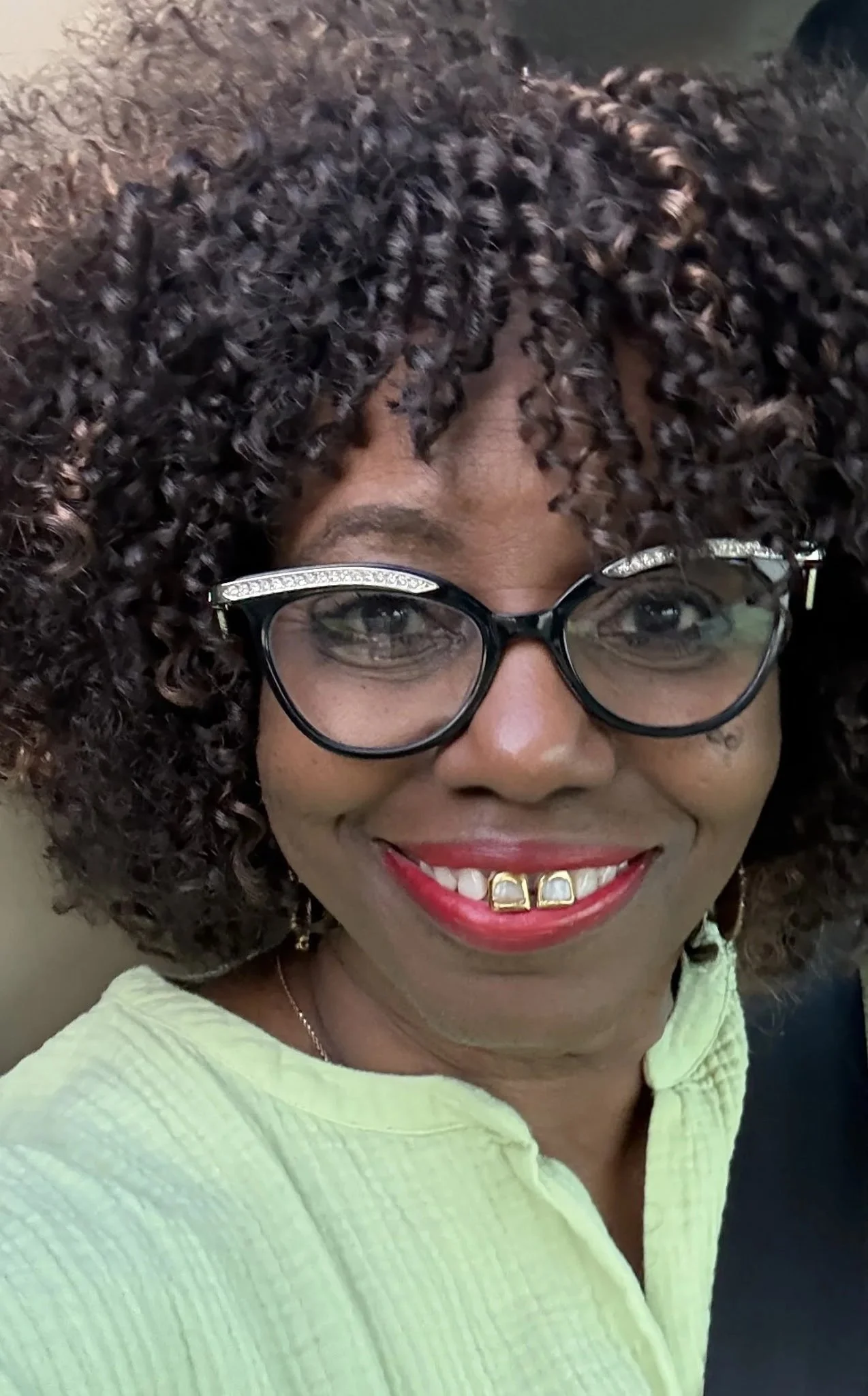
LaDonna Langlanais
Founder / CEO
HerWhy
Educate a Child was born from a heartfelt vision nurtured by our founder, LaDonna Langlanais. From an early age, LaDonna felt a deep calling to support children in their growth, allowing them to shine and discover their unique passions. She held onto this dream quietly, trusting that it would one day evolve into something significant.
As time passed, with prayer and patience, this dream began to flourish. Guided by a strong sense of purpose and fueled by the unwavering love and support of her parents, LaDonna embraced her calling with courage. What once existed only in her heart transformed into a mission grounded in faith, family, and the aspiration to uplift the next generation.
Educate a Child was designed to be more than a simple program, it is a movement of encouragement. Within this movement, young individuals can acquire essential life skills that foster their character, boost their confidence, and enhance their leadership abilities. LaDonna envisioned a nurturing environment where every child feels acknowledged, valued, and empowered to overcome challenges and fulfill their potential.
Today, Educate a Child stands as a powerful example of what happens when dreams meet dedication. LaDonna dedicates her heart and soul to each student, teaching them not only the principles of etiquette, communication, and personal growth but also instilling the vital belief that greatness resides within every child. As a certified Life Coach and Etiquette Consultant, she remains committed to her mission.
Her journey is both simple and profound:
She dreamed it,
God guided it,
Her loved ones supported it,
And together, they created a space where children can learn to soar.

The calling behind it

When I saw bullying at school growing up, it was something I did not understand; all I knew was that I did not like it and that no one else would stand up for that person. As I continue to grow, hearing co-workers and friends speak on how they were bullied by peers, siblings, or parent/parents, it hurts me. It hurts that, even though they have grown, it still brings them pain from their experiences. At the time, I knew it was something they needed, and to this day, when I hear these stories, I cannot help but wonder how I can help children realize they are not the issue. I want to help them overcome their fears, see the good in themselves, and encourage them to pursue whatever they dream of becoming. I want to be the person who helps them fulfill those dreams and create a reality where they can flourish. I hope that by talking with each other, helping them, and letting them know that others have walked in their shoes, they can overcome this too.
-LaDonna Langlanias, 2026
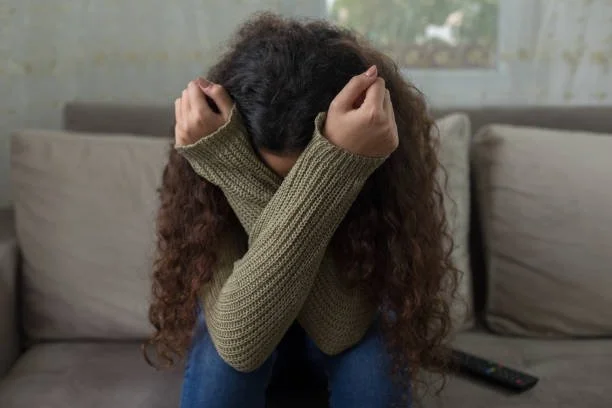
What is bullying?
Bullying is any and all behavior among school-aged children that involves aggression and is unwanted. This behavior is repeated, has the potential to be repeated, and involves a real or perceived power imbalance. Both sides, the kid who is bullied and the kid who bullies, may have serious, underlying, and lasting problems.
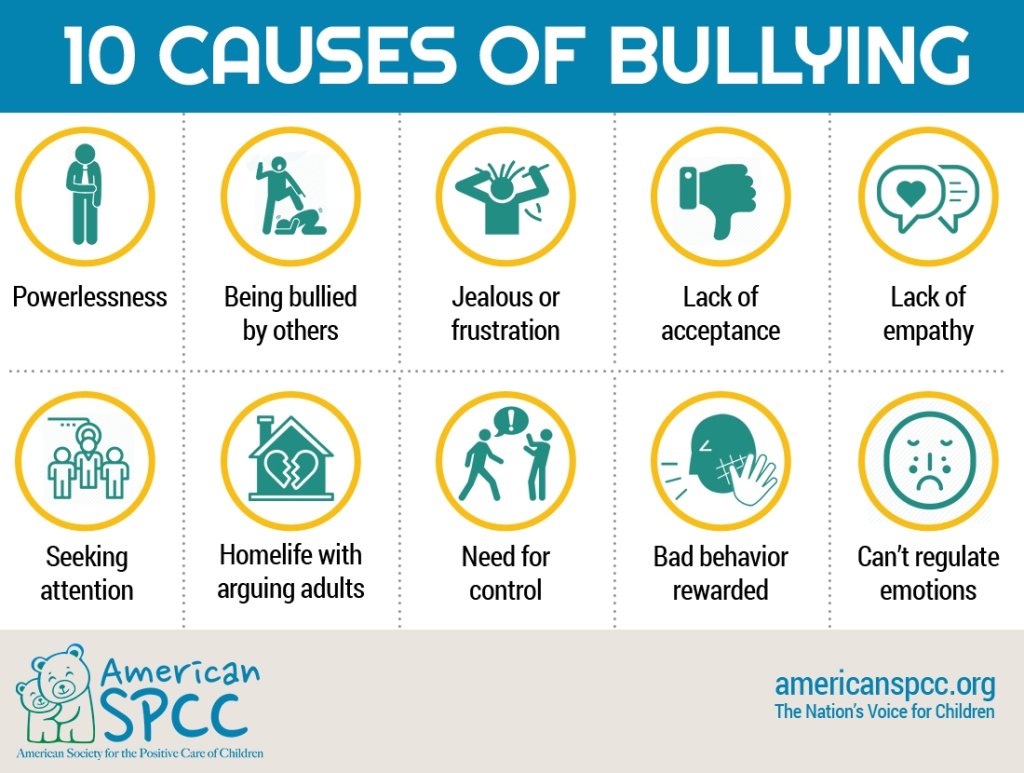
Why does bullying happen?
According to stopbullying.gov, some kids bully due to a bunch of different factors.
Peer Factors
Attain or maintain social power
Show allegiance to peer group
Exclude from peer group
Control behavior of peers
Emotional Factors
Bullied in the past or currently
Feelings of low self-esteem and insecurity
Lack of emotional understanding
Lack of emotional control
Lack of social skills
School Factors
Conduct issues
Experience of exclusion, non-acceptance, or stigmatization
Family Factors
Aggression, bullying, or violence at home
Lack of emotional support or communication
Caregivers are reactive
Caregivers are overly lenient
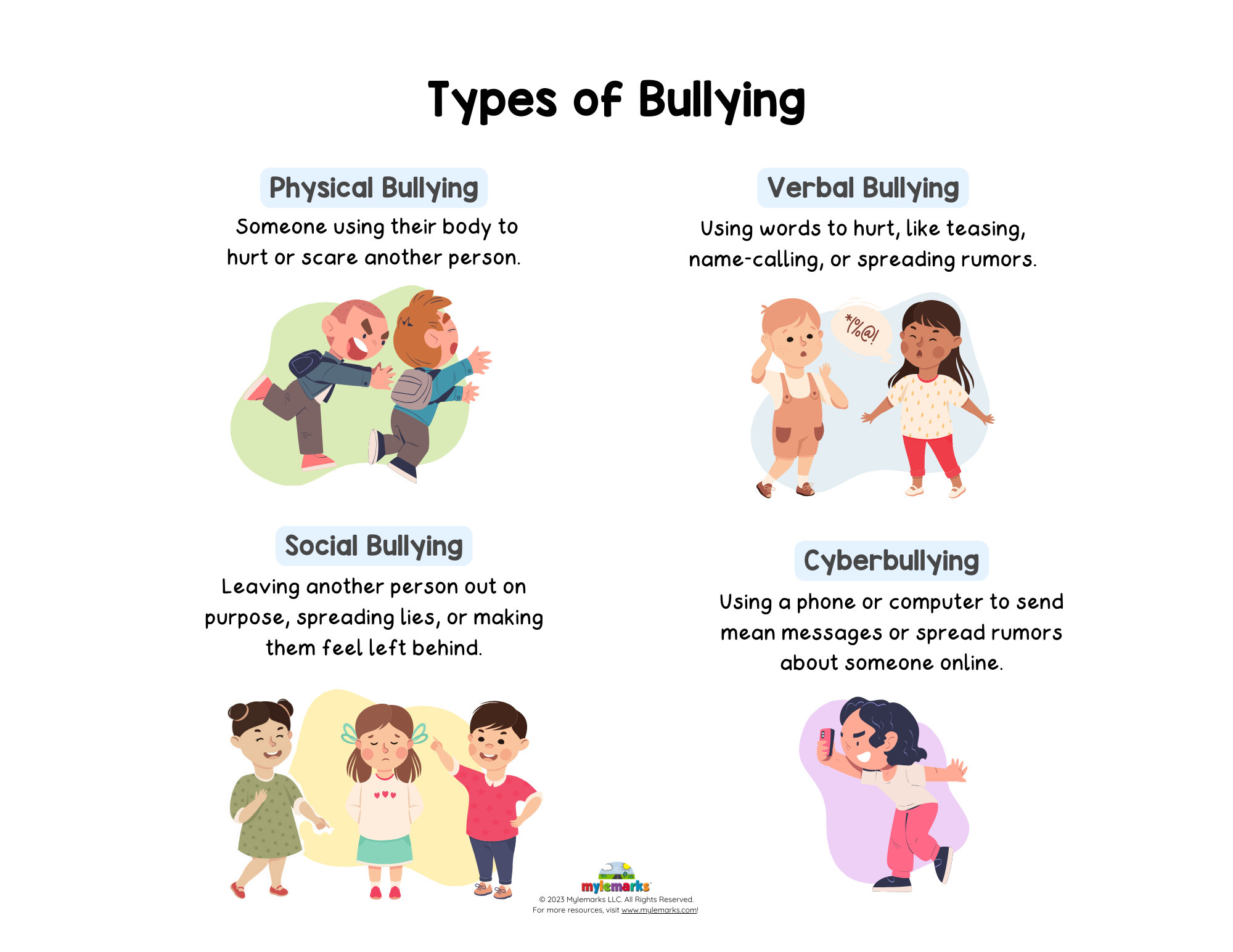
Types of Bullying
Verbal Bullying
Teasing
Name-Calling
Inappropriate sexual comments
Taunting
Threatening to cause harm
Social Bullying
Leaving someone out on purpose
Telling others not to friend them
Spreading rumors
Embarrassing someone in public
Physical Bullying
Hitting, kicking, or pinching
Spitting
Tripping or pushing
Taking or breaking someone’s things
Making mean or rude hand gestures
Cyber Bullying
Mean comments
Any kind of harm or threats of harm
Spreading rumors or false information
Spreading of private information